The History Behind The Home Front Sisters
Fact: The sinking of the SS Dorchester was a tragic event that shook the nation to its core, especially the story that emerged about how the four chaplains on board gave up their life vests and preached courage and faith to the sailors as the vessel went down. All four chaplains (five in my novel to include my fictional character) were posthumously awarded the Distinguished Service Cross and Purple Heart, and Congress designated February 3 as “Four Chaplains Day” to honor their memory.
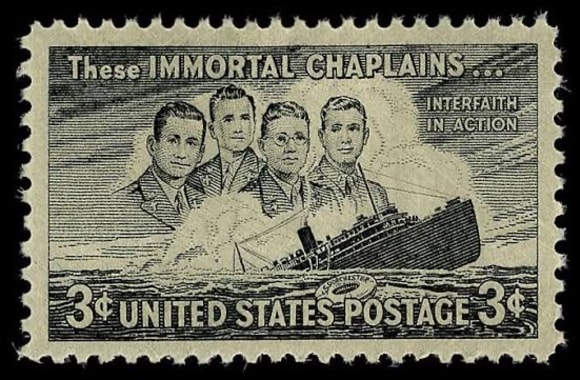
Fiction: There was no major Hollywood film written based on the sinking of the Dorchester. That I gave entirely to Joan, based on the fact that Louisa May Alcott, the author of Little Women, wrote the novel as a fictionalized account of her family life and put herself in the role of Jo.
Fact: As Elspeth mentions, Valley Forge General Hospital was one of only two hospitals in the US that specialized in the treatment and rehabilitation of blind veterans during WWII. They were renowned for advances in prosthetics (including a transition from glass to acrylic eyes), plastic surgery, and psychiatric care for wounded soldiers. The 1951 film Bright Victory was filmed on location, telling the story of a fictional sergeant wrestling with prejudice, purpose, and love after the war took his vision. You’ll find more about the facility, its programming, and especially its nurses, in my next book, coming Fall 2027.
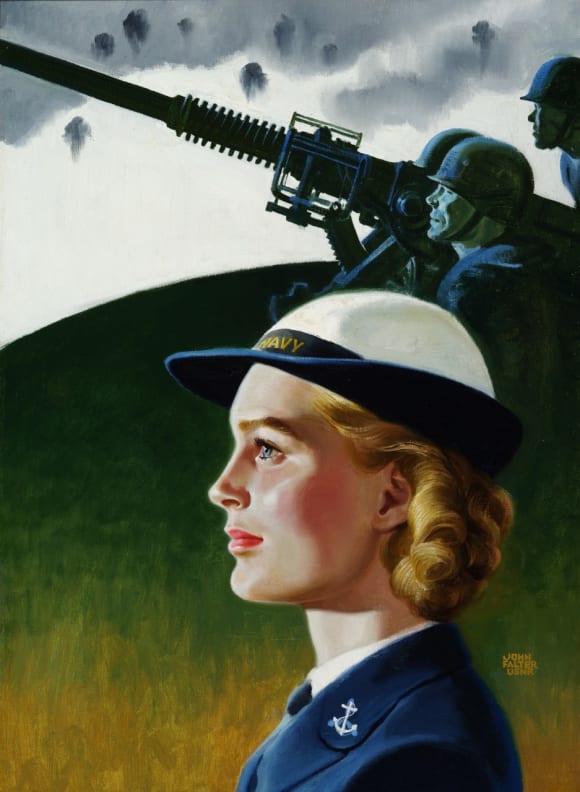
Fact and Fiction: There were WAVE gunnery instructors stationed in Hollywood, Florida and an active USO club that included them in a variety of activities from dances to “cake parties” to Easter egg dying contests. However, there’s no record of a talent show or dessert benefit taking place that summer. The parade where Amelia meets Vernon is based on a real and elaborate war bond parade where the WAVEs and soldiers marched through town, along with floats put together by civilians.
Fact: Superman appeared in a series of comic strips where he exposed a (fictional) munition smuggling plot at an internment camp for Japanese-Americans. DC Comics received some pushback that the unflattering portrayal was both inaccurate and divisive, directing suspicion toward a group of people whose rights had been taken away with no evidence of disloyalty. In fact, there were no documented cases of treason, espionage, or sabotage from any of the 120,000 Japanese-Americans incarcerated during the war. This led to the last frame of the series, where Superman gave this correction to his young audience: “It should be remembered that most Japanese-Americans are loyal citizens. . . Not one act of sabotage was perpetrated in Hawaii or territorial U.S. by a Japanese-American.” But for many, the damage had already been done. (Thanks to this article for sparking the idea for Joan’s comic plotline. It’s a great read.)
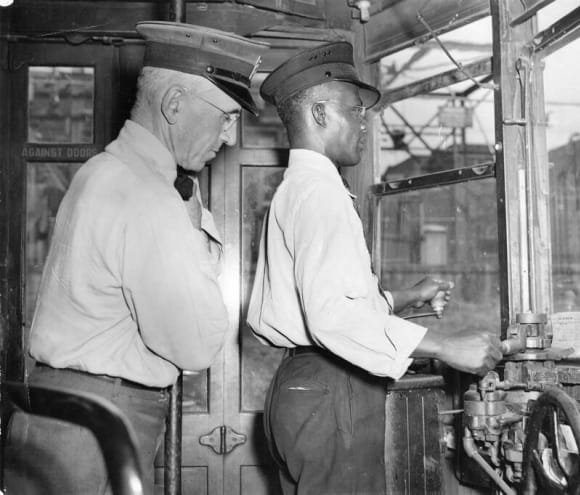
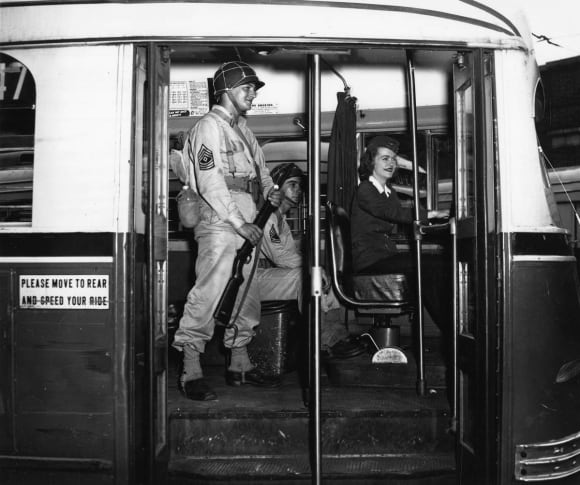
Fact: I enjoy including cameos from real, historical characters in my novels. For The Home Front Sisters, that includes Carolyn Davenport Moore, one of the organizers of the NAACP resistance to the strike. Listen to her son talk about her work here. As I mentioned in the Author’s Note, the Philadelphia Transit Strike of 1944 happened as portrayed in the novel and is considered one of the most damaging home front actions to war production (read more about it here). Charles Stewart was inspired by James Stewart, one of the new Black trolley drivers during and after the strike, pictured below during his training, though James was a musician before becoming a streetcar driver rather than being promoted from within the company. More humorously, it was fun to give a nod to Mike Chrest, the exuberant owner of Mike’s Bar and Grill in Hollywood, friend to locals and sailors alike.
Fact and Fiction: While Great Britain was sharing information with American troops in Hollywood, Florida about the operation of their secret weapon, RADAR, during this time period, there’s no record of an ex-combat lieutenant like Vernon being present in Hollywood to aid in that training. However, it is true that one of the reasons the cadets there were seen as more aloof and elitist than the gunnery trainees was because they were told to limit fraternization and keep their top-secret RADAR knowledge to themselves. A leak, officers warned, could lose the Allies the war. For more on Hollywood, Florida during the war years, check out their Historical Society’s website.
Wondering about a detail of The Home Front Sisters I didn’t mention here? Feel free to send me an email via my Contact page, and I’ll let you know what’s fact and fiction.